They say honesty is the best policy. I don’t know who “they” are and I’m not always so sure about that honesty policy. Too many times the statement “to tell you the truth…” followed by some unsettling pronouncement has caused pain in my life. Or I hear, “honestly, …” and I mentally glaze over and those little flaps inside my ears slowly close, because I don’t want to receive any honesty at that moment. Sometimes the news has been medical in nature. Sometimes it has been work-related. The worst honesty is the relationship kind. When your loved one tells you that your jokes aren’t funny, but your outfit is. That’s hurtful.
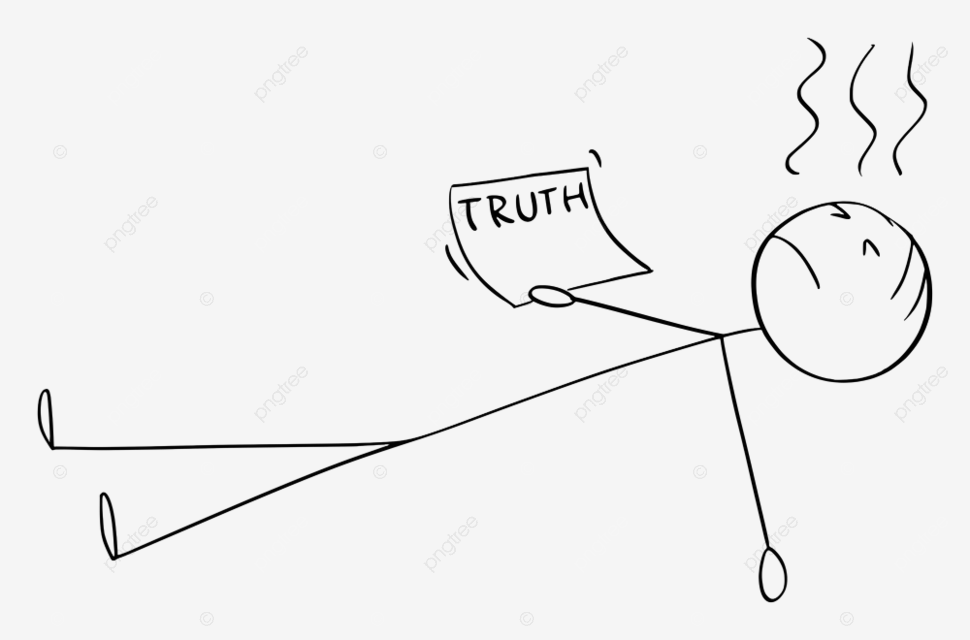
Often it is someone sharing their political or religious “truths”. I have been surprised by some folks need to “educate me” on their particular point of view. This is usually unsolicited. Rarely have I asked for someone to tell me how to vote or what to boycott or where to worship. Still, the desire to influence, recruit, or evangelize is a powerful force in some people’s lives. I had a dear uncle who once said to me, “You’re entitled to your opinion no matter how wrong it is”. That statement was poignant, unsettling, and hilarious all at the same time. I’ve used it many times since.
We humans have an innate desire to share our joy, our sorrow, and our wisdom. This is a good thing. Everyone has a story to tell; a song to sing. Where we veer into trouble is when we believe that our story is the only true story. I’m guilty of this. One of my best friends once said to me, “I just look like this” while I was attempting to instill some wisdom. I was stunned. Her point: you are treating me as if I am ill-informed. You are making assumptions about me because of my sex, race, and age. She was right and that truth hurt. Once again, like my uncle’s statement, I have used hers many times since. It’s can be a showstopper.
Someone recently suggested that I say, “that has not been my experience”, when confronted by someone who holds an opinion opposite of mine. It’s much more tactful than what my brain is usually trying to get my mouth to say. Because “you’re stupid and wrong” might be truthful but it rarely resolves any conflict. In our current political climate, I’m constantly being challenged by statements made at sporting events, social gatherings, family dinners, organizational meetings and from the pulpit.
I am often at odds with people I love and respect. I try to tell them, “That has not been my experience”, or “I just look like this”, but it doesn’t register with the truth-teller. And then with prayer and a little self-examination, I finally look in the mirror and honestly ask myself, how often have I been the dispenser of truths? How often have I been the one who doesn’t listen but needs to share my story? How often have I told the truth, the whole truth and nothing but my truth?
I’m a Partner in Mission (a lay member) with the Sisters of The Most Precious Blood. Our charism is reconciliation. Those are fancy words which mean we are trying to bring peace to our world, to our communities, to our homes and to our hearts. It’s true that sometimes truth hurts. Every husband dreads the fateful question, “Does this dress make me look fat?” No easy answers there. Sometimes truth makes us squirm. Sometimes truth makes us fearful. But sometimes truth can set us free.
Perhaps telling the truth wouldn’t be so hard if I could remember to tell it with sensitivity, compassion and understanding. And to accept it from others even when it hurts.
Peace,
Denis


 It turns out that as she was feeding their bodies, they were feeding her soul. She spent most days chopping potatoes, carrots, onions, or whatever was donated. She made soups or stews to feed the families. The first day she was making fruit salad and serving it in tiny Dixie cups. One of the regular volunteers told her that she was filling the cups too full and there wouldn’t be enough for everyone. It brought her to tears as these people were starving and she was only able to serve a very small portion. When she cried, the other volunteer also cried. Deb says they held on to one another for the longest time and sobbed. She also tells me that because they served several hundred people each day they would nearly run out of water, bread, vegetables or fruit, but then there would be a knock at the door and whatever was needed would appear – truly God’s blessings.
 If you ask most folks about the story of Adam and Eve, a likely image that they’ll recall is the apple. Eve offered Adam the apple after the serpent convinced her to eat it. It’s hard to blame the first couple for the whole apple ordeal because they had no one else to ask and the Internet hadn’t been invented so they couldn’t “Google” the serpent’s claim to see if it was accurate. I kind of get it. Who hasn’t received some lousy advice and made a few bad choices along the way?
 Journeying & Journaling